Attila Apor, historian and founder of the workshop, was the guest of the 22 November 2026 broadcast of Farkasverem, the history programme of Hír FM.
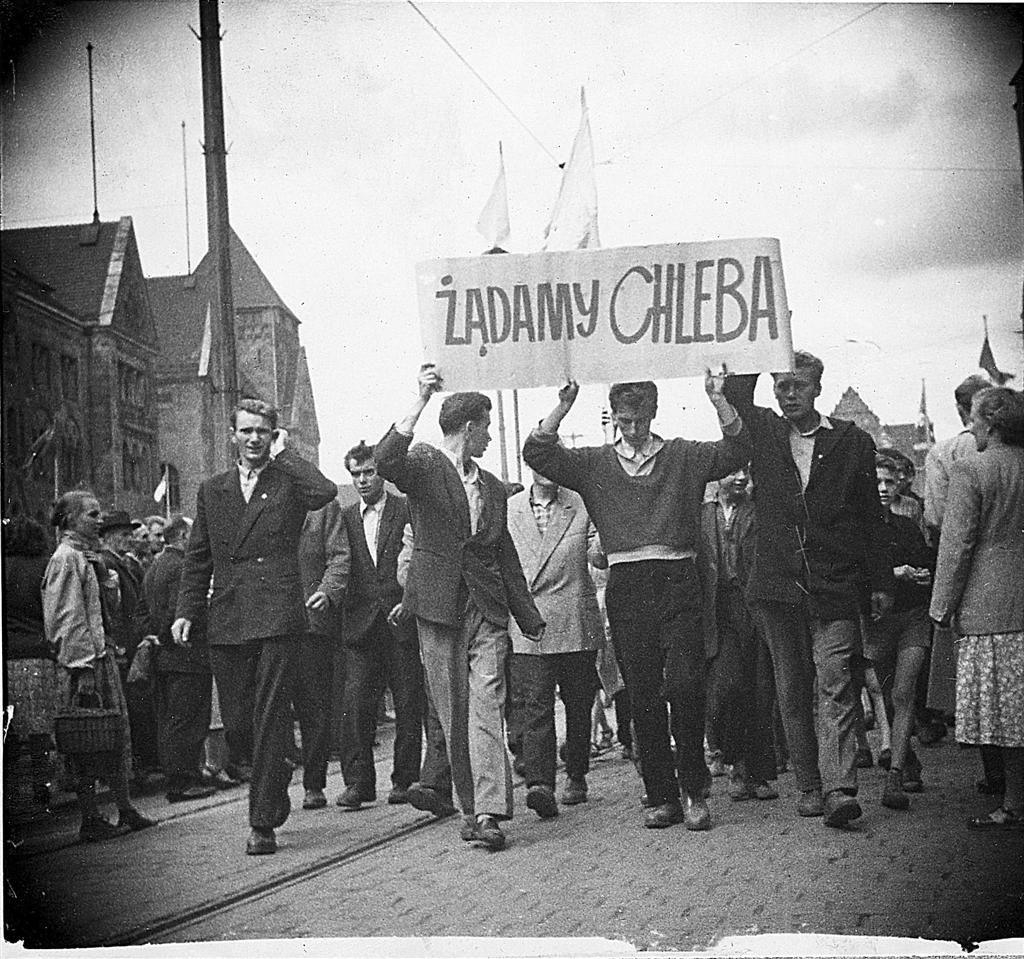
The conversation centred on the political turning point in Poland in 1956. Although the authorities crushed the Poznań workers’ uprising seventy years ago with brutal force, deploying tanks, the events nevertheless set fundamental changes in motion in the country’s political life. The dismantling of the Stalinist dictatorship began, political repression eased, and Poland gradually gained greater room for manoeuvre within the Soviet bloc. The political rehabilitation of Władysław Gomułka and his six-point set of demands opened a new chapter in Polish–Soviet relations, and the October crisis ultimately ended without Soviet military intervention.
Together with Áron Máthé, we explored how Poland managed to avoid Soviet military intervention, what political compromises made the changes possible, and how the notion of “national communism” can be understood when comparing the Polish and Hungarian events of 1956.
Listen to the full broadcast (in Hungarian): Gomulka és a „nemzeti kommunizmus” – Farkasverem – Hír FM
Image: The Poznań uprising, June 1956 – unknown author, public domain, Wikimedia Commons